Benefits of Chia Seeds for Weight Loss Start With a Surprisingly Boring Mechanism
The benefits of chia seeds for weight loss aren’t mysterious — they’re just fiber, water, and basic stomach physics doing their job quietly while you eat your breakfast. A 2021 randomized controlled trial published in Nutrition Research and Practice tracked 77 overweight adults who consumed 35g of chia seeds daily for 12 weeks. The result? An average of 1.9 kg more body fat lost compared to the control group — with zero other dietary changes. Not a detox. Not a supplement stack. Just seeds absorbing water in your gut.
Table of Contents
- Benefits of Chia Seeds for Weight Loss Start With a Surprisingly Boring Mechanism
- The Appetite Suppression Effect Is Measurable, Not Anecdotal
- Benefits of Chia Seeds for Weight Loss Include Blood Sugar Control — Which Most People Ignore
- How to Actually Use Chia Seeds for Fat Loss (With Real Portions)
- Who Shouldn’t Overdo Chia Seeds and What the Research Actually Can’t Claim
One 28g serving (roughly 2 tablespoons) of dry chia seeds contains 9.75g of fiber, 4.7g of protein, 8.7g of fat (mostly ALA omega-3s), and only 138 calories. For context, most American adults average just 15g of fiber per day against a recommended 25–38g. Two tablespoons of chia seeds close roughly 40% of that gap before you’ve even thought about vegetables.
The Appetite Suppression Effect Is Measurable, Not Anecdotal
Here’s the mechanism that actually matters: chia seeds absorb up to 10–12 times their weight in water, forming a viscous gel inside your stomach. This slows gastric emptying — the rate at which food moves from your stomach into your small intestine. Slower emptying means prolonged satiety signals, which means you’re not raiding the snack drawer at 3pm.
Dr. David Jenkins — the University of Toronto researcher who literally invented the glycemic index — has published extensively on viscous soluble fiber’s role in appetite regulation. His lab’s data consistently shows that viscous fiber reduces postprandial blood glucose spikes by 20–30% compared to non-viscous fiber sources. Stabilized blood sugar equals fewer hunger crashes. Fewer hunger crashes equals fewer unplanned 400-calorie detours.
Take a realistic example: a 35-year-old sedentary office worker with a daily energy expenditure of roughly 1,800 calories. Adding 2 tablespoons of chia seeds (138 calories) to 150g of plain Greek yogurt at breakfast has been shown in appetite studies to reduce total daily caloric intake by 150–200 calories through improved satiety — without any conscious restriction. That’s a 7–10 calorie deficit for every single calorie invested in chia seeds. That math doesn’t suck.
For a deeper look at how fiber affects your overall fat loss approach, check out this breakdown of high-fiber foods ranked by satiety impact.
Benefits of Chia Seeds for Weight Loss Include Blood Sugar Control — Which Most People Ignore
The fiber story is well-known. The blood sugar story is where things get interesting and underappreciated. Chia seeds have a glycemic index of approximately 1 — essentially zero impact on blood glucose on their own. More importantly, when consumed alongside higher-GI foods, they demonstrably blunt that food’s glucose response.
A 2010 study in the European Journal of Clinical Nutrition found that adding chia seeds to white bread reduced the postprandial blood glucose response by 39% compared to eating white bread alone. That’s not a marginal effect. Chronically elevated blood glucose promotes insulin secretion; chronically elevated insulin promotes fat storage and suppresses fat oxidation. Breaking that cycle even partially — with 2 tablespoons of seeds — has compounding effects over weeks and months.
The omega-3 fatty acid content (approximately 5g of ALA per 28g serving) also plays a supporting role. ALA doesn’t directly burn fat, but research from the NIH’s review on dietary fat and metabolic health links adequate omega-3 intake with reduced systemic inflammation — and chronic low-grade inflammation is consistently associated with insulin resistance and difficulty losing weight.

How to Actually Use Chia Seeds for Fat Loss (With Real Portions)
Most chia seed advice sounds like it was written by someone who has never cooked a meal. Here’s what actually works based on the research dosages:
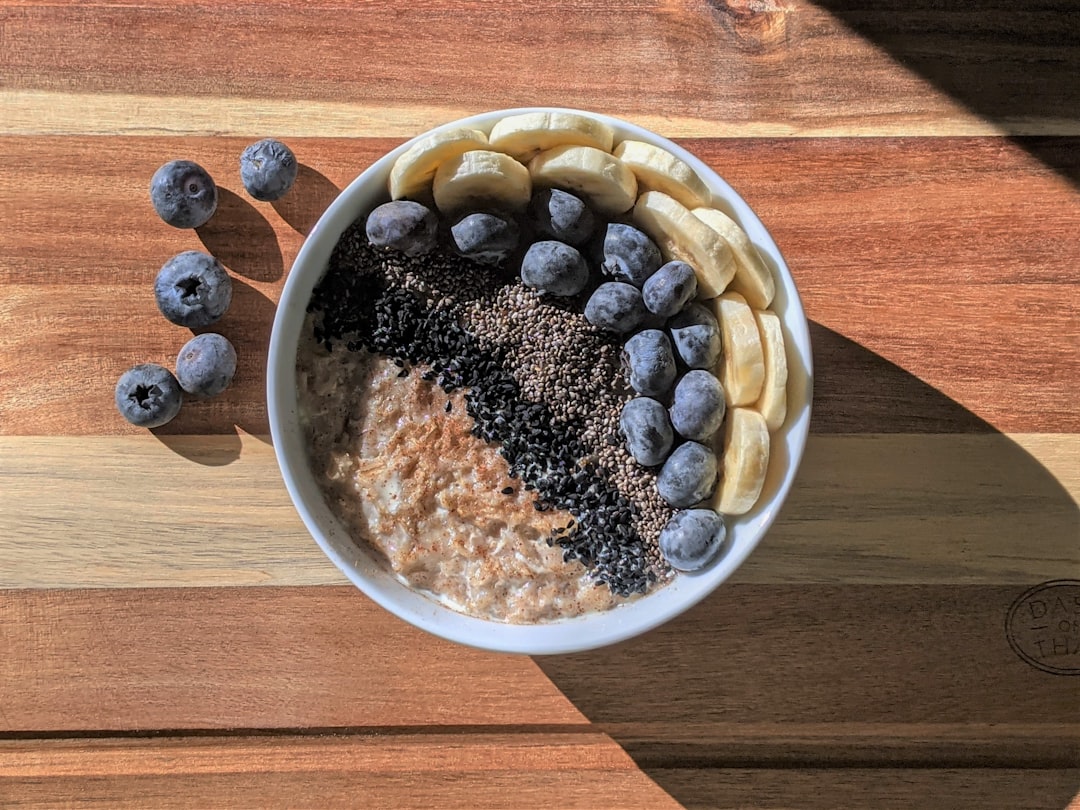
- Morning yogurt bowl: Mix 2 tablespoons (28g) of chia seeds into 150g of full-fat Greek yogurt with 80g of frozen berries. Let sit for 10 minutes so the gel forms. Total fiber from chia alone: 9.75g. This breakfast combination scores high on the satiety index and keeps most people full for 4–5 hours without a mid-morning snack.
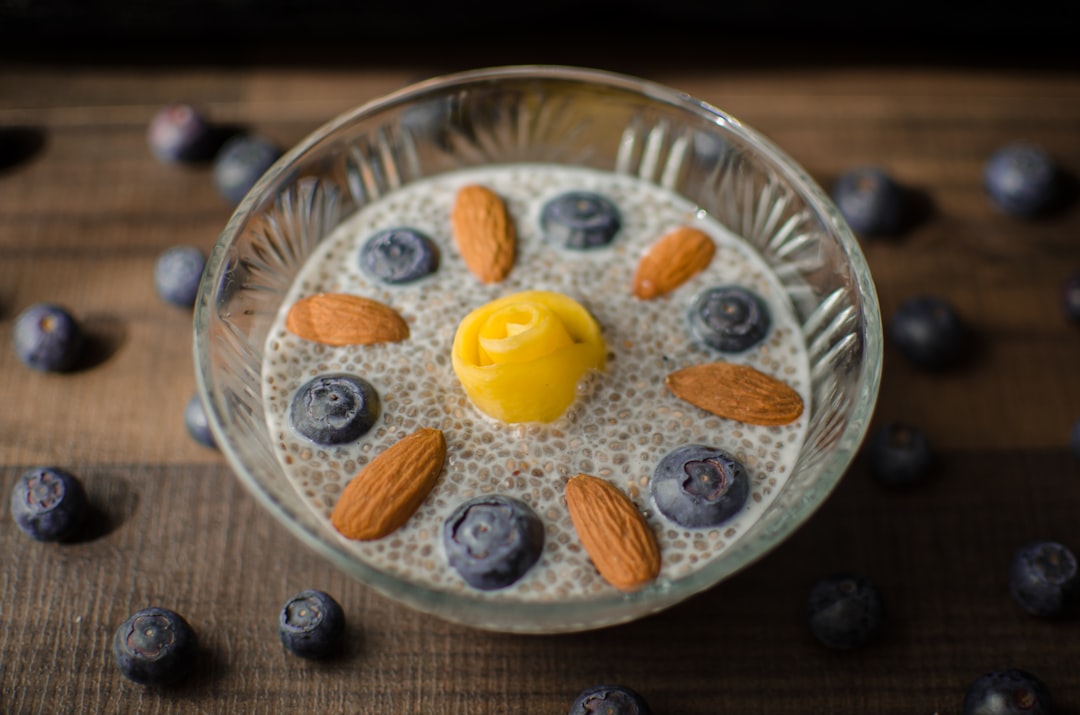
- Overnight chia pudding: Combine 3 tablespoons (42g) of chia seeds with 240ml of unsweetened almond milk (30 calories). Refrigerate overnight. This 12-hour soak produces maximum gel formation and delivers 14.6g of fiber for approximately 200 total calories — a genuinely high-volume, low-calorie meal.
- Pre-workout smoothie addition: Blend 1 tablespoon (14g) of dry chia seeds into a 300ml smoothie 20 minutes before a 45-minute moderate-intensity session. The gel slows carbohydrate absorption, providing more stable energy through the workout without the insulin spike that tanks energy mid-session.
- Salad topping: Sprinkle 1 tablespoon over a mixed salad with 200g of leafy greens, 100g of chickpeas, and olive oil dressing. Adds crunch, 4.9g of fiber, and increases the salad’s protein content by 2.4g — trivial individually, meaningful as a daily habit.
The 12-week study dosage of 35g daily (approximately 2.5 tablespoons) is the evidence-backed target. Split across two meals to avoid any digestive discomfort, which is genuinely possible if you dump 35g of chia seeds into a single cup of water and call it lunch.
Who Shouldn’t Overdo Chia Seeds and What the Research Actually Can’t Claim
Chia seeds are not a fat loss intervention on their own. The 1.9 kg difference in the 2021 RCT over 12 weeks works out to roughly 0.16 kg per week — meaningful as a complement to a caloric deficit, not as a replacement for one. Anyone expecting chia seeds to override a 500-calorie daily surplus is going to be disappointed.
People on blood thinners should note that chia seeds’ ALA omega-3 content can have mild anticoagulant effects at higher doses — worth flagging with a doctor if you’re taking warfarin or similar medications. Anyone with dysphagia (difficulty swallowing) should always consume chia seeds pre-soaked, not dry, since dry chia seeds can form a dangerous gel mass in the esophagus if swallowed without adequate liquid — there are documented case reports of this. It’s rare, but preventable.
For those managing caloric intake with a structured deficit, chia seeds fit neatly into a high-volume, low-calorie eating strategy that makes deficit eating significantly more tolerable. That’s the real value proposition here — not miracle fat burning, but making eating less dramatically easier to sustain.
Explore more on Lean – Scope Digest and browse our General section.
138 calories. 9.75g of fiber. Clinically measured appetite suppression. The benefits of chia seeds for weight loss are real, specific, and boring in the best possible way.