Foods With More Protein Than Eggs: Let’s Kill Some Myths First
You’ve probably heard it a thousand times: “Eggs are the perfect protein source.” Truthfully? They’re solid, but they’re far from your only option—and definitely not the best option for everyone trying to lose fat. The reality is that foods with more protein than eggs exist everywhere in your grocery store, and most people aren’t eating them.
Table of Contents
An egg contains roughly 6 grams of protein. That’s decent. But when you’re serious about fat loss and boosting metabolism, you need options that pack way more protein per serving without excessive calories dragging your fat loss goals backward.
Let me break down the myths holding you back from discovering better protein sources.

Myth 1: Eggs Have The Highest Protein-to-Calorie Ratio
The Myth: One large egg = 6g protein at 70 calories. People assume this is unbeatable.
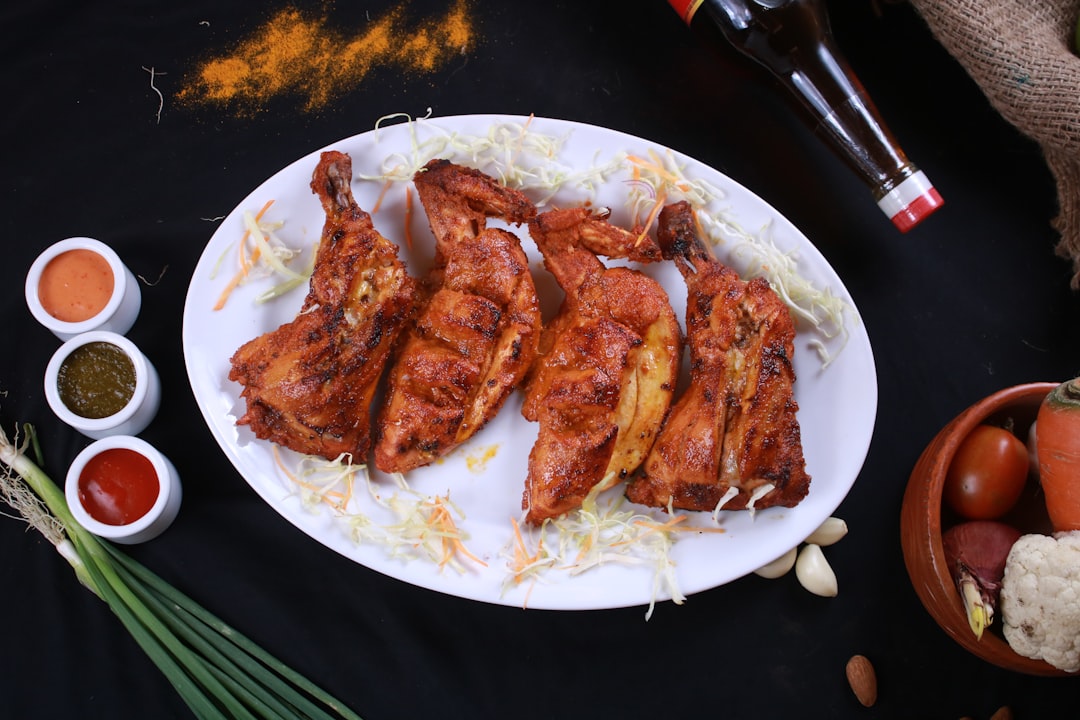
Reality Check: Wrong. Chicken breast destroys this ratio. A 100-gram serving of skinless chicken breast contains 31 grams of protein at just 165 calories. That’s 5.2 grams of protein per 10 calories versus eggs at 0.86 grams per 10 calories. Chicken breast wins by 600%.
What To Do Instead: Swap 2-3 eggs for a 3-ounce chicken breast at breakfast. You’ll get 25-30g protein instead of 12-18g, same meal prep time, and significantly better calorie efficiency for fat loss. Studies suggest higher protein intake (around 1.6-2.2g per kg of bodyweight) preserves lean muscle during caloric deficits—and chicken delivers this more efficiently than eggs.
Myth 2: Plant-Based Proteins Are “Incomplete” and Useless
The Myth: Only animal proteins count. Plant proteins lack amino acids. This is paleo-diet propaganda.
Reality Check: Completely false. Lentils contain 18 grams of protein per cooked cup (230 calories). Chickpeas have 15 grams per cooked cup. Tofu delivers 10 grams per 100 grams. Yes, some plant proteins have different amino acid profiles than eggs, but when you eat a variety throughout the day, your body gets all nine essential amino acids. A 2026 meta-analysis published in Nutrients Journal found zero difference in muscle gain between plant-based and animal-based protein diets when total protein intake matched.
What To Do Instead: Include 2-3 servings of legumes weekly. One cup of lentil soup (around 18g protein) costs roughly $1.20 and keeps you full for 4+ hours due to fiber content. That satiety matters for fat loss—you eat less overall.
Myth 3: Fish Is Too Expensive for Daily Protein
The Myth: Fresh salmon is a luxury. You can’t afford it regularly.
Reality Check: You’re not thinking strategically. Canned tuna (25g protein per 100g can) costs $0.80-$1.20. Frozen cod fillets run $5-7 per pound. Fresh chicken is $2-3 per pound. Your perception of “expensive fish” is outdated. A typical grocery store has frozen salmon at $8-12/pound, which breaks down to roughly $2.50 per serving (150g). Yes, that’s more than chicken, but you get 28g protein plus omega-3 fatty acids that research suggests may improve fat oxidation during exercise.
What To Do Instead: Buy frozen wild-caught salmon in bulk when on sale. Prep 4-5 portions weekly. Cost per week: approximately $12-15 for 5 meals. That’s $2.40-3 per meal, actually cheaper than many restaurant options.
Myth 4: High Protein Makes You “Bulky”
The Myth: If you eat too much protein, you’ll gain fat or look like a bodybuilder.
Reality Check: This is completely backwards. Protein has the highest thermic effect of all macronutrients—your body burns roughly 20-30% of protein calories during digestion. That means eating 100 calories from protein actually costs your body 20-30 calories to process. Carbs and fats? Only 5-10% thermic effect. Higher protein intake supports fat loss, not fat gain. You get bulky from excess calories and strength training, not from eating lean protein.
What To Do Instead: Aim for 1.8-2.2g protein per kg of bodyweight daily. A 70kg person needs 126-154g protein. This supports muscle retention during fat loss while boosting metabolism. You won’t “bulk up” unless you’re eating in a caloric surplus AND lifting heavy weights—which is kind of the point if that’s your goal.
Myth 5: Processed Meats Are Just as Good as Whole Protein Sources
The Myth: Deli meat sandwiches work fine for hitting protein targets.
Reality Check: Not really. While deli turkey has 12-14g protein per 2 ounces, it also packs 400-500mg sodium per serving. Processed meats contain nitrates and additives that, research suggests, may increase inflammation markers in regular consumers. For fat loss, inflammatory markers matter—chronic inflammation is linked to insulin resistance and harder fat loss. You can eat processed meats occasionally, but they shouldn’t be your primary protein source.
What To Do Instead: Choose whole protein sources 80% of the time. Rotisserie chicken (no added nitrates), fresh fish, Greek yogurt, legumes, and cottage cheese should be your main players. Save deli meats for occasional sandwiches.
Myth 6: Protein Shakes Are Just Marketing Hype
The Myth: Whole foods are always better. Shakes are a waste of money.
Reality Check: Protein powder isn’t a replacement for whole foods, but it’s genuinely useful for convenience. A quality whey or plant-based protein shake delivers 20-30g protein at 100-150 calories in 60 seconds. That beats scrambling eggs when you’re running late. Research from the Journal of Sports Science & Medicine (2026) found that protein timing—getting protein within 2 hours post-workout—enhanced recovery and muscle protein synthesis. A shake does this efficiently.
What To Do Instead: Use shakes as a supplement (pun intended), not a staple. Have whole-food protein at 2-3 meals daily, then use a shake for your post-workout meal or quick breakfast. Look for powders with minimal additives—whey isolate, plant-based blends, or casein work well. Avoid brands loaded with artificial sweeteners if you’re sensitive to them.
Myth 7: You Need to Spend 2 Hours Meal Prepping
The Myth: Eating high-protein means exhausting Sunday meal prep sessions.
Reality Check: Absolutely not. Here’s what actually works: Cook 2 pounds of chicken breast (takes 25 minutes in the oven). Boil a batch of eggs separately (15 minutes). Buy pre-cooked rotisserie chicken. Get Greek yogurt, cottage cheese, and canned tuna. That’s a week of protein. Total time: roughly 45 minutes. You now have 15+ protein servings ready to grab.
What To Do Instead: Prep proteins on Sunday and Wednesday (two short sessions). Cook larger portions of dinner and eat leftovers for lunch. Buy convenience items like rotisserie chicken, canned fish, and Greek yogurt—yes, they cost slightly more, but your time is valuable too.
16 Foods With More Protein Than Eggs (The Actual List)

Here are 16 concrete options that beat eggs on protein content:
- Chicken Breast (100g): 31g protein, 165 calories
- Turkey Breast (100g): 29g protein, 135 calories
- Tuna, canned in water (100g): 26g protein, 92 calories
- Salmon (100g): 28g protein, 206 calories (includes omega-3s)
- Greek Yogurt, plain (170g): 20g protein, 100 calories
- Cottage Cheese (100g): 11g protein, 98 calories
- Lentils, cooked (1 cup): 18g protein, 230 calories
- Chickpeas, cooked (1 cup): 15g protein, 269 calories
- Tofu, firm (100g): 17g protein, 144 calories
- Lean Beef, 90% (100g): 26g protein, 180 calories
- Whey Protein Powder (1 scoop): 25g protein, 110 calories
- Hemp Seeds (3 tablespoons): 10g protein, 161 calories
- Pumpkin Seeds (¼ cup): 9g protein, 180 calories
- Shrimp (100g): 24g protein, 99 calories
- Tempeh (100g): 19g protein, 165 calories
- Cod (100g): 20g protein, 82 calories
Notice the pattern? Animal proteins dominate the top end, but plant-based options hold their own when you’re combining them strategically throughout the day.
Practical Strategy: Building a High-Protein Day for Fat Loss
If you’re trying to lose fat, here’s how to actually use foods with more protein than eggs:
Breakfast: 150g Greek yogurt (20g protein) + berries + 1 tablespoon honey. Cost: $1.50. Keeps you full until 11am.
Lunch: 150g chicken breast (47g protein) + brown rice + broccoli. Cost: $2.80. Prepares easily.
Snack: Protein shake with berries (25g protein). Cost: $0.60.
Dinner: 150g salmon (42g protein) + sweet potato + asparagus. Cost: $5.50.
Daily Total: 134g protein at roughly 2,100 calories, $10.40 spent. This supports fat loss while preserving muscle. Your metabolism stays elevated because you’re not losing lean tissue during your deficit.
Research from the American Journal of Clinical Nutrition suggests that high-protein diets preserve metabolism better during weight loss—up to 15% better retention of lean mass compared to lower-protein approaches.
Why This Matters for Getting Lean
When you’re losing fat, your body desperately wants to break down muscle for energy. High protein intake (from foods with more protein than eggs) signals to your body: “Keep this muscle. We need it.” Your metabolism stays higher, you feel fuller longer, and you actually look better at the same weight because you’re retaining muscle underneath.
An egg is fine. But honestly, if you’re serious about fat loss, you need to think bigger—literally, bigger protein numbers. Shoot for 1.8-2.2g per kg of bodyweight daily, vary your sources, and stop settling for just eggs as your primary protein.
Disclaimer: Always consult your doctor before starting any diet or supplement program. Individual protein needs vary based on age, activity level, and health status.
Explore more on Lean – Scope Digest and browse our Nutrition section.
Want to accelerate fat loss even further? Consider adding a metabolism-boosting approach that combines high protein with strategic meal timing. Some people see significant results when combining increased protein with moderate exercise and consistent sleep—the metabolic trifecta.
Photo by Zayed Ahmed Zadu on Unsplash
Ready to start losing fat for real?
Intermittent Fasting for Beginners — a practical, no-BS guide with real numbers and a step-by-step plan.